
Starting a YouTube channel is one of the most exciting and humbling experiences on the internet.
On Day 1, you’re convinced you’ll be the next viral sensation.
On Day 30, you’re checking your analytics every seven minutes wondering if your mom accidentally unsubscribed.
If you’ve recently launched a YouTube channel and are wondering why your masterpiece only has 17 views (three of which were probably you), don’t panic. Organic channel growth is real, but it rarely happens the way people expect.
Let’s pull back the curtain and talk about how YouTube channels actually grow.

The Biggest Myth About YouTube Growth
Most new creators believe success comes from making one viral video.
In reality, most successful channels grow because they consistently publish content that helps YouTube understand exactly who should watch it.
Think of YouTube as a giant matchmaking service.
Your job isn’t to impress the algorithm.
Your job is to help YouTube introduce your videos to the right audience.
The algorithm isn’t your enemy. It’s just incredibly confused.
Every time you upload a video, YouTube asks:
“Who would enjoy this?”
If your content is inconsistent, YouTube shrugs.
If your content clearly serves a specific audience, YouTube starts making introductions.
Why Your First Videos Usually Flop
Nobody likes hearing this, but your first 20-50 videos are often your training period.
You are learning:
- What topics people care about
- How to create better thumbnails
- How to write stronger titles
- How to keep viewers watching
- How to tell better stories
Most creators quit during this stage because they mistake a lack of views for failure.
In reality, they’re gathering data.
The first videos are rarely the destination.
They’re the roadmap.
The Secret Weapon: Consistency
Imagine opening a restaurant that serves pizza on Monday, tacos on Tuesday, sushi on Wednesday, and random mystery meat on Thursday.
Customers would be confused.
YouTube feels the same way.
Successful channels tend to focus on a clear niche:
- Personal finance
- Gaming
- Music production
- Travel
- Technology
- Fitness
- Storytelling
This doesn’t mean you can never experiment.
It simply means your audience should understand why they subscribed.
When viewers know what to expect, they’re more likely to return.
When they return, YouTube notices.

The Thumbnail Is Doing More Work Than Your Video
This hurts many creators’ feelings, but it’s true.
You can spend 20 hours editing a video.
Viewers spend about two seconds deciding whether to click it.
Your thumbnail and title are your first impression.
A great video with a bad thumbnail is like a Ferrari parked behind a dumpster.
Nobody sees it.
Before publishing, ask yourself:
“Would I click this if it wasn’t my video?”
If the answer is no, keep working.
Watch Time Is King
Getting clicks is important.
Keeping viewers watching is even more important.
YouTube loves videos that hold attention.
That’s because viewer attention equals viewer satisfaction.
Some ways to improve retention:
- Start with a strong hook
- Remove long introductions
- Get to the point quickly
- Create curiosity
- Use visual changes throughout the video
- Deliver on the promise of your title
Remember:
Nobody clicked your video to hear, “Hey guys, welcome back to my channel.”
They clicked because they wanted a solution, a story, or entertainment.
Give it to them immediately.

Small Audiences Are Powerful
Many creators become discouraged because they only get 100 views.
But think about this:
If 100 people walked into your living room and listened to you talk for ten minutes, you’d probably faint.
Those aren’t just views.
They’re real people.
Every subscriber starts as a single person who found value in your content.
Large channels are simply collections of thousands of those moments.
The Snowball Effect Is Real
Organic growth often feels invisible until it doesn’t.
A channel might look like this:
Month 1: 50 subscribers
Month 2: 120 subscribers
Month 3: 220 subscribers
Month 4: 400 subscribers
Month 5: 900 subscribers
Month 6: 3,000 subscribers
Suddenly everyone says:
“Wow, you got lucky.”
Meanwhile, you’ve been uploading every week while talking to yourself in a room for six months.
The audience sees the explosion.
They rarely see the buildup.
Stop Obsessing Over Subscribers
Subscribers matter.
But they’re not the most important metric.
Focus on:
- Click-through rate
- Average view duration
- Audience retention
- Returning viewers
- Engagement
These metrics tell you whether people actually enjoy your content.
Subscribers are often the result—not the cause—of success.
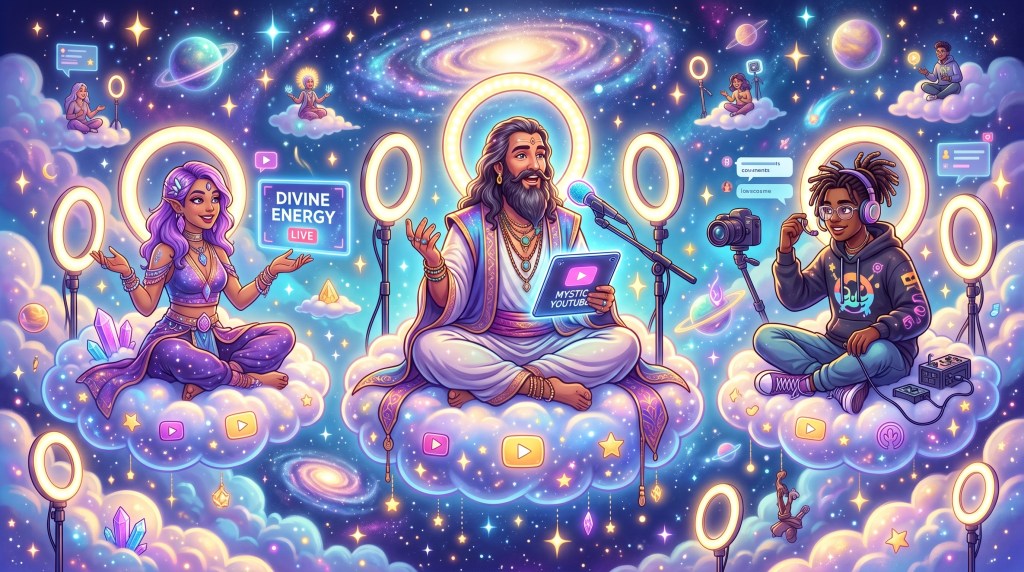
The Algorithm Gods (A Brief Warning)
Every creator eventually reaches the same stage.
You upload a video you’re certain will go viral.
It gets 27 views.
Then you upload something random.
It explodes.
At this point, many creators begin praying to the Algorithm Gods.
Some offer daily sacrifices of coffee and sleep.
Others stare at analytics dashboards until 2:00 a.m.
Neither strategy is particularly effective.
The truth is simpler.
Make good content.
Improve every video.
Study your audience.
Repeat.
The algorithm rewards creators who provide value more consistently than it rewards creators who panic.
Final Thoughts
Growing a YouTube channel organically isn’t magic.
It’s a combination of patience, consistency, learning, and persistence.
Most channels don’t fail because the algorithm hates them.
They fail because the creator quits before momentum arrives.
Every successful YouTuber started with zero subscribers.
Every successful YouTuber uploaded videos nobody watched.
Every successful YouTuber had moments where they wondered if they should give up.
The creators who win are usually the ones who keep publishing when nobody is cheering.
So keep creating.
Keep improving.
Keep learning.
And remember:
The algorithm may be mysterious, unpredictable, and occasionally seem powered by ancient cosmic forces…
But it still can’t recommend videos that never get uploaded.
Leave a Reply